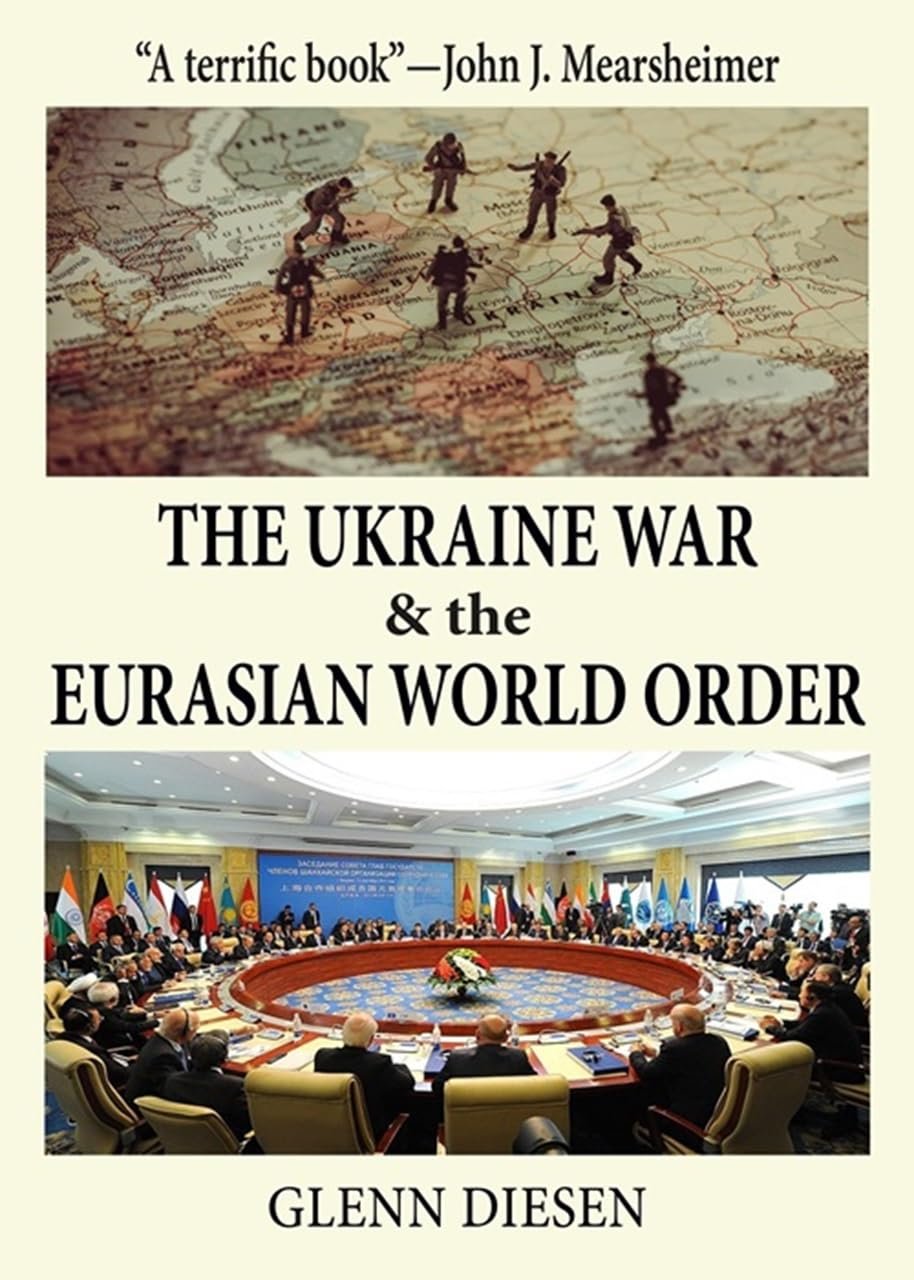
The Ukraine War & the Eurasian World Order
Explore the complex dynamics of the Ukraine War and its impact on the Eurasian world order in this insightful book. Gain expert analysis on geopolitical shifts, regional power struggles, and future implications, making it essential for students, professionals, and anyone seeking a deeper understanding of global affairs.
NATO expansionism was an important component of liberal hegemony as it was intended to cement the collective hegemony of the West as the foundation for a liberal democratic peace. Instead, it dismantled the pan-European security architecture and set Europe on the path to war without the possibility of a course correction. Ukraine as a divided country in a divided Europe has been a crucial pawn in the great power competition between NATO and Russia for the past three decades.
The war in Ukraine is a symptom of the collapsing world order. The war revealed the dysfunction of liberal hegemony in terms of both power and legitimacy, and it sparked a proxy war between the West and Russia instead of ensuring peace, the source of its legitimacy.
The proxy war, unprecedented sanctions, and efforts to isolate Russia in the wider world contributed to the demise of liberal hegemony as opposed to its revival. Much of the world responded to the war by intensifying their transition to a Eurasian world order that rejects hegemony and liberal universalism. The economic architecture is being reorganised as the world diversifies away from excessive reliance on Western technologies, industries, transportation corridors, banks, payment systems, insurance systems, and currencies. Universalism based on Western values is replaced by civilisational distinctiveness, sovereign inequality is swapped with sovereign equality, socialising inferiors is replaced by negotiations, and the rules-based international order is discarded in favour of international law. A Westphalian world order is reasserting itself, although with Eurasian characteristics.
The West’s defeat of Russia would restore the unipolar world order while a Russian victory would cement a multipolar one. The international system is now at its most dangerous as the prospect of compromise is absent, meaning the winner will take all. Both NATO under US direction and Russia are therefore prepared to take great risks and escalate, making nuclear wan increasingly likely.
Read more
The Ukraine War & the Eurasian World Order offers a profound and timely exploration of one of the most significant geopolitical conflicts of the modern era. This book delves deeply into the complexities of the Ukraine war, analyzing its origins, key events, and broader implications on the evolving Eurasian political landscape. It provides readers with a comprehensive understanding of how this conflict has reshaped international relations and the emerging world order in Eurasia. Ideal for scholars, students, policy makers, and anyone interested in global affairs, this volume combines thorough research with accessible insights. It enhances the reader’s experience by connecting historical context with contemporary developments, offering a nuanced perspective on the interplay between regional powers and global dynamics. The book’s clear and authoritative narrative makes it a valuable resource for those seeking to grasp the intricate realities behind headlines and political rhetoric. Incorporating a balanced examination of military, economic, and diplomatic dimensions, The Ukraine War & the Eurasian World Order helps readers appreciate the stakes involved and the potential future trajectories of the region. Whether used as an academic reference or a thoughtful guide for informed discussion, this book stands out for its depth, clarity, and relevance. It fits seamlessly into everyday intellectual inquiry and professional study, enriching the knowledge base of anyone engaged with international politics and security studies.
Related Products

Half Baked Harvest Quick & Cozy: A Cookbook


Wintering: The Power of Rest and Retreat in Difficult Times

There’s Treasure Inside

The 48 Laws of Power

What to Cook When You Don’t Feel Like Cooking – A Cookbook

Dad, I Want to Hear Your Story: A Father’s Guided Journal To Share His Life & His Love (Hear Your Story Books)

Luna Luna: The Art Amusement Park
![Good Lookin' Cookin': A Year of Meals - A Lifetime of Family, Friends, and Food [A Cookbook]](https://skditta.com/wp-content/uploads/2024/12/good-lookin-cookin-a-year-of-meals-a-lifetime-of-family-friends-and-700x893.jpg)
Good Lookin’ Cookin’: A Year of Meals – A Lifetime of Family, Friends, and Food [A Cookbook]

Snoop Dogg Presents Goon with the Spoon: A Cookbook
