






















































































































Abbey Road Anniversary
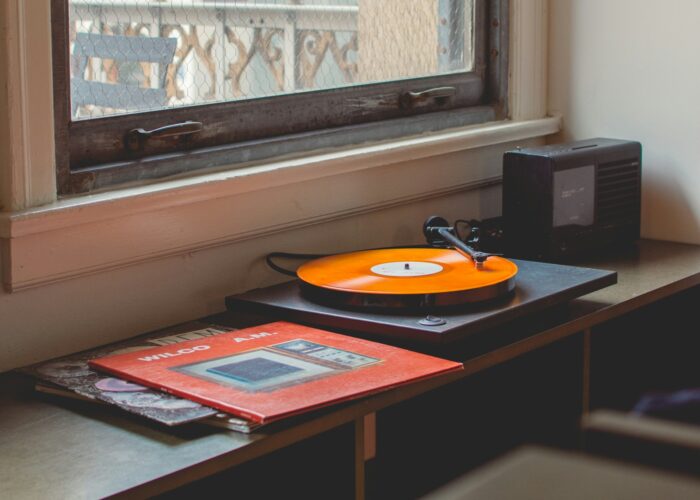
The Beatles’ Abbey Road is a masterful farewell that blends rock, balladry, and ensemble precision into a seamless emotional arc. Released in 1969, it features iconic tracks like “Come Together,” “Something,” and the medley that closes Side B. With George Martin’s lush production and the band’s collaborative clarity, this LP delivers analog warmth and timeless resonance—elegant, playful, and quietly profound.
🚶♂️ The Beatles – Abbey Road (Apple Records, 1969)
Some albums mark the end. Abbey Road makes it feel like a beginning. Released in September 1969, it was the final studio recording the Beatles completed together, and it plays like a farewell letter written with elegance, wit, and ensemble restraint. It’s not just a collection of songs—it’s a sonic arc, a curated emotional journey, and a masterclass in collaborative clarity.
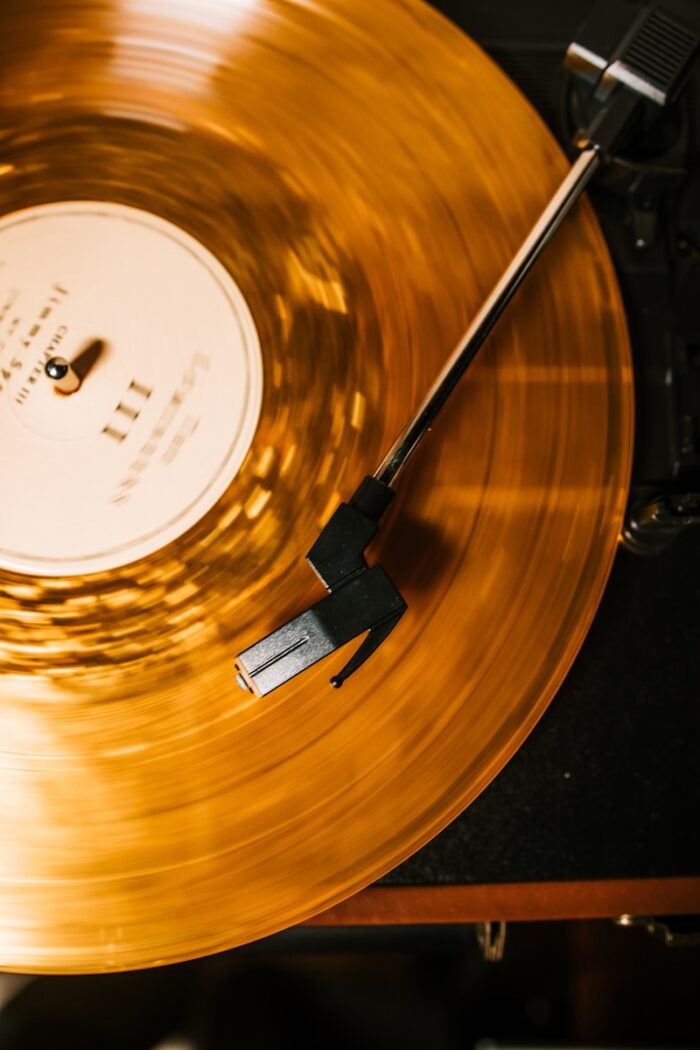
The album opens with “Come Together,” a swampy, groove-heavy track built on Paul McCartney’s bass line and John Lennon’s cryptic lyrics. Ringo Starr’s drumming is spacious and inventive, and the mix reveals the band’s ability to let each part breathe. On vinyl, the analog warmth gives the track a tactile pulse—every hi-hat decay, every vocal nuance.
“Something,” George Harrison’s love ballad, follows with melodic grace and lyrical sincerity. The string arrangement, the guitar solo, the vocal phrasing—it’s all delivered with quiet confidence. Frank Sinatra called it “the greatest love song ever written,” and on vinyl, the emotional fingerprint is unmistakable.
“Maxwell’s Silver Hammer” and “Octopus’s Garden” bring levity and charm. The former is whimsical and macabre, the latter a childlike underwater fantasy sung by Ringo. Both tracks showcase the band’s ability to balance playfulness with musical precision.
“I Want You (She’s So Heavy)” closes Side A with hypnotic repetition and emotional weight. Lennon’s vocal is raw, the guitar riff relentless, and the abrupt ending—cut mid-bar—is one of the boldest gestures in rock history.
Side B is where the album transcends. The medley—starting with “You Never Give Me Your Money” and ending with “The End”—is a suite of interconnected fragments, each one a vignette of longing, reflection, and ensemble unity. “Golden Slumbers” and “Carry That Weight” feel like lullabies for a band in transition. “The End” features a rare moment: each Beatle takes a solo, and the lyric—“And in the end, the love you take is equal to the love you make”—lands like a benediction.
The hidden track “Her Majesty,” tacked on after a brief silence, adds a final wink—proof that even in farewell, the Beatles never lost their sense of play.
The production, led by George Martin, is lush but never excessive. Instruments are placed with intention, and the mastering preserves the analog depth and spatial realism of the original sessions. Studio monitors will reveal the full fingerprint—McCartney’s bass voicings, Harrison’s guitar tone, Starr’s cymbal work, Lennon’s vocal textures.
Visually, the album cover is iconic. The four Beatles crossing Abbey Road in single file, each dressed distinctly, each embodying a different mood. Paul is barefoot, holding a cigarette—fueling decades of “Paul is dead” conspiracy lore. The image is unlabelled, unadorned, and unforgettable.
Abbey Road is not just a rock album—it’s a curated emotional and sonic farewell. It honors the ensemble, the arc, and the listener’s capacity for reflection and joy. It’s music that listens as deeply as it speaks.
Whether you’re revisiting these tracks or discovering them for the first time, this LP offers a listening experience that’s both grounded and transcendent. It’s not just an album—it’s a walk, pressed in vinyl and waiting to be heard.
Related Products
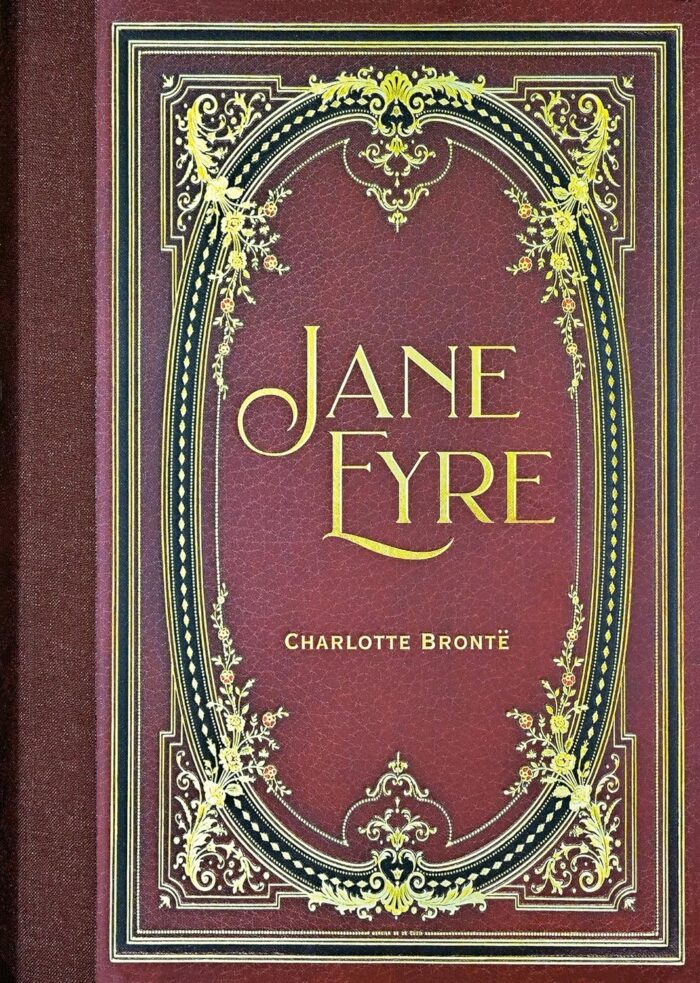
Jane Eyre (Masterpiece Library Edition)

Alice’s Adventures in Wonderland and Through the Looking Glass (Masterpiece Library Edition)

The Secret Garden (Masterpiece Library Edition)


A Tale of Two Cities (Masterpiece Library Edition)

The Stars Are Dying: Special Edition (Nytefall Trilogy, 1)


Little Women (Masterpiece Library Edition)

Anne of Green Gables (Masterpiece Library Edition)